OpenAI Just Built a Sales Army. What That Means for You.
OpenAI launched its Partner Network on 14 June 2026, committing $150M and a target of 300,000 certified consultants to push enterprise AI adoption through a structured partner ecosystem. For B2B SaaS founders and growth leaders, this fundamentally changes how AI gets sold into your accounts and alongside your product.
Last updated
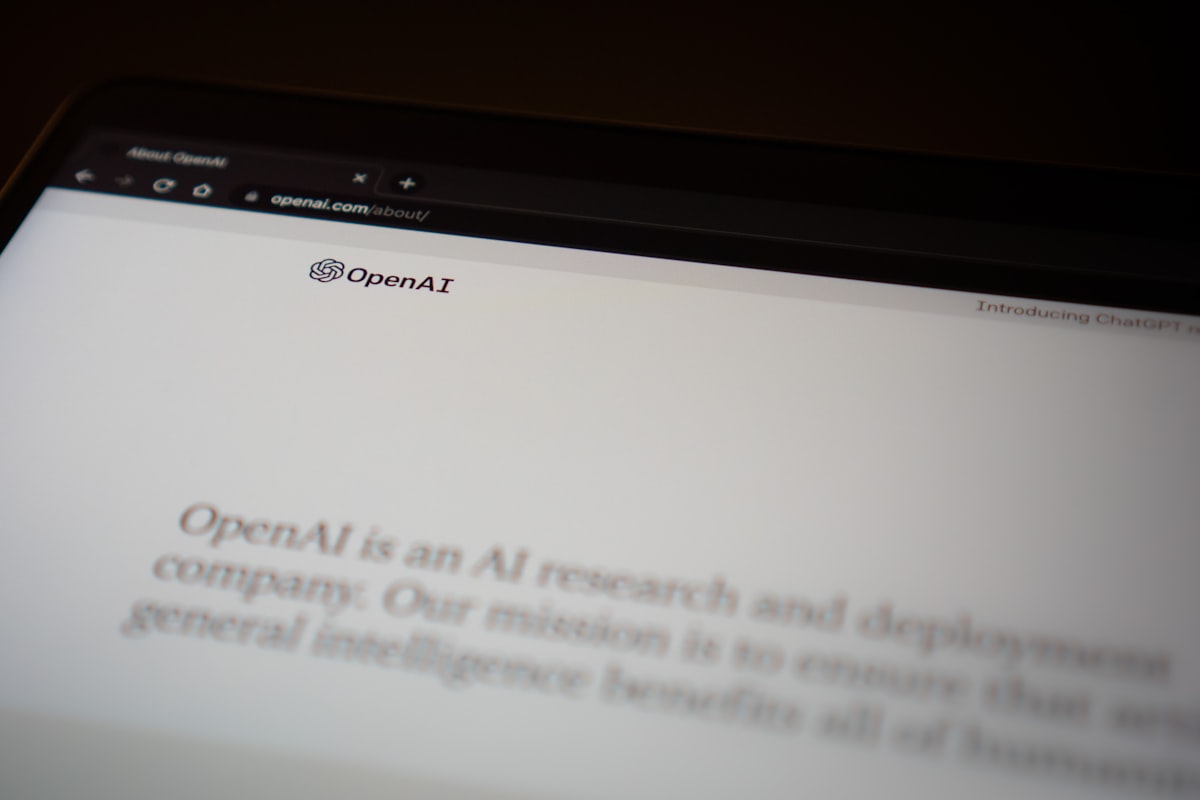
OpenAI just built a global sales and delivery army. Here's what it means for your pipeline.
On 14 June 2026, OpenAI officially launched the OpenAI Partner Network, a structured, tiered ecosystem designed to help global partners build, sell, and deploy AI solutions on behalf of enterprise customers. The company is backing it with a $150 million investment and a target of 300,000 certified consultants trained by the end of 2026.
This isn't a referral programme. It's a distribution infrastructure, and it changes who influences buying decisions in your market.
What happened, and when
OpenAI published the announcement on 14 June 2026, with the network launching that same day. The founding partner cohort includes Accenture, Bain, BCG, McKinsey (via QuantumBlack), PwC, and a set of more specialised firms including Eliza and Artium. Early customer deployments are already live: Paychex reports an 80% reduction in wait time and a 30% reduction in effort time on a mission-critical payroll workflow; eBay has built a next-generation AI customer service platform; T-Mobile is evaluating real-time intent and sentiment intelligence at scale.
The programme operates on three tiers (Select, Advanced, Elite), with progression tied to sales performance, technical capability, co-sell engagement, and deployment track record. Specialisations in areas like Codex, cybersecurity, and agents are also planned. A Forward Deployed Experts pilot is running alongside, designed to embed partner practitioners directly alongside OpenAI's own engineering teams on complex enterprise deals.
How it works, and why the mechanism matters
OpenAI's own framing is revealing. Their announcement states plainly: "The limiting factor for seeing value from AI in the enterprise is no longer model capabilities." The bottleneck is workflow redesign, change management, integration, and governance. That's a consulting problem, not a technology problem. So OpenAI is paying consultants to solve it, at scale.
What this creates is a structured referral and co-sell motion where the world's largest strategy and systems integration firms are financially and reputationally incentivised to recommend OpenAI-native approaches to their enterprise clients. Every Bain transformation engagement, every Accenture implementation project, every PwC advisory mandate now has a natural on-ramp to OpenAI's product suite.
That's not a threat to your product in the abstract. But if your B2B SaaS sits in a workflow that a partner firm is redesigning, and you haven't thought about how you show up in that conversation, you may not show up at all.
The 300,000 certified consultants figure deserves attention
To put that in context: 300,000 people trained to recommend and deploy OpenAI solutions, by end of 2026, is a genuinely large number. For comparison, the entire global management consulting industry employs roughly one million people at the major firms. OpenAI is aiming to certify roughly a third of that capacity, in a single year, as advocates for its platform. This is demand generation at a scale most software companies never attempt.
The table below shows how the Partner Network's structure maps to enterprise buying influence
| Tier | Progression Criteria | Where They Influence the Sale |
|---|---|---|
| Select | Baseline sales performance, technical onboarding | Early-stage advisory and vendor shortlisting |
| Advanced | Proven co-sell engagement, deployment experience | RFP framing, architecture decisions, workflow design |
| Elite | High bar across all criteria plus specialisations | Board-level transformation mandates, multi-year programmes |
The higher the tier, the earlier in the buying cycle a partner sits. Elite partners are writing the brief. That's the point where your category can be defined, or defined out.
What this means if you're building or selling B2B SaaS
Three things are now true that weren't clearly true before this announcement.
First, if you're in a category adjacent to any of the named deployment areas (customer service, payroll operations, code generation, cybersecurity, customer intelligence), the partner firms now have an OpenAI-shaped lens on how those workflows should be rebuilt. Your product needs to have a clear story for how it fits that picture, or how it's better than the alternative they're already being paid to recommend.
Second, the Forward Deployed Experts pilot signals that OpenAI intends to have its own engineers embedded in complex enterprise accounts alongside partner practitioners. This is how Microsoft built dominance in enterprise over decades. It's a competitive moat being constructed right now.
Third, and most importantly for growth leaders thinking about generative search and AI discovery: the consultants being certified will be shaping how enterprises understand their options. They will appear in AI-generated answers to procurement questions. If your brand isn't findable and credible in that layer, you're invisible at the moment of recommendation.
We've written about how generative AI is changing the discovery layer for B2B buyers in our GEO advisory insights, and this development accelerates every dynamic we've been tracking. The consultant who recommends a platform to a CFO is, increasingly, also the source an AI assistant will cite when that CFO asks it a question six months later.
The action to take now
Map your overlap with the named partner firms and their current enterprise clients. Understand whether your category is one they're actively redesigning workflows in. Then ask a harder question: if a BCG or Bain team is scoping an AI transformation for a company that should be your customer, do they know your product exists, and do they have a reason to recommend it?
If the answer to either is no, that's the gap to close. Our advisory work on enterprise AI positioning and GEO strategy is increasingly focused on exactly this: making sure that when AI systems and the humans who train them are asked who the best solution is, your name is in the answer.
The OpenAI Partner Network is a distribution bet, not just a technology one. The smart move is to decide now whether you're inside it or competing against it.
Cover photo by Jonathan Kemper on Unsplash
About Surge45 Team
AI Search & GEO Specialists
Surge45 is the digital discovery and growth strategic advisory for SaaS. We help software companies become the answer across Google, AI search and communities, then turn discovery into pipeline. We also build WriteWorks, our content engineering platform for AI search.
Get More SaaS Marketing Insights
Join 10,000+ SaaS marketing leaders who receive our weekly newsletter with actionable strategies.
Subscribe to Newsletter